
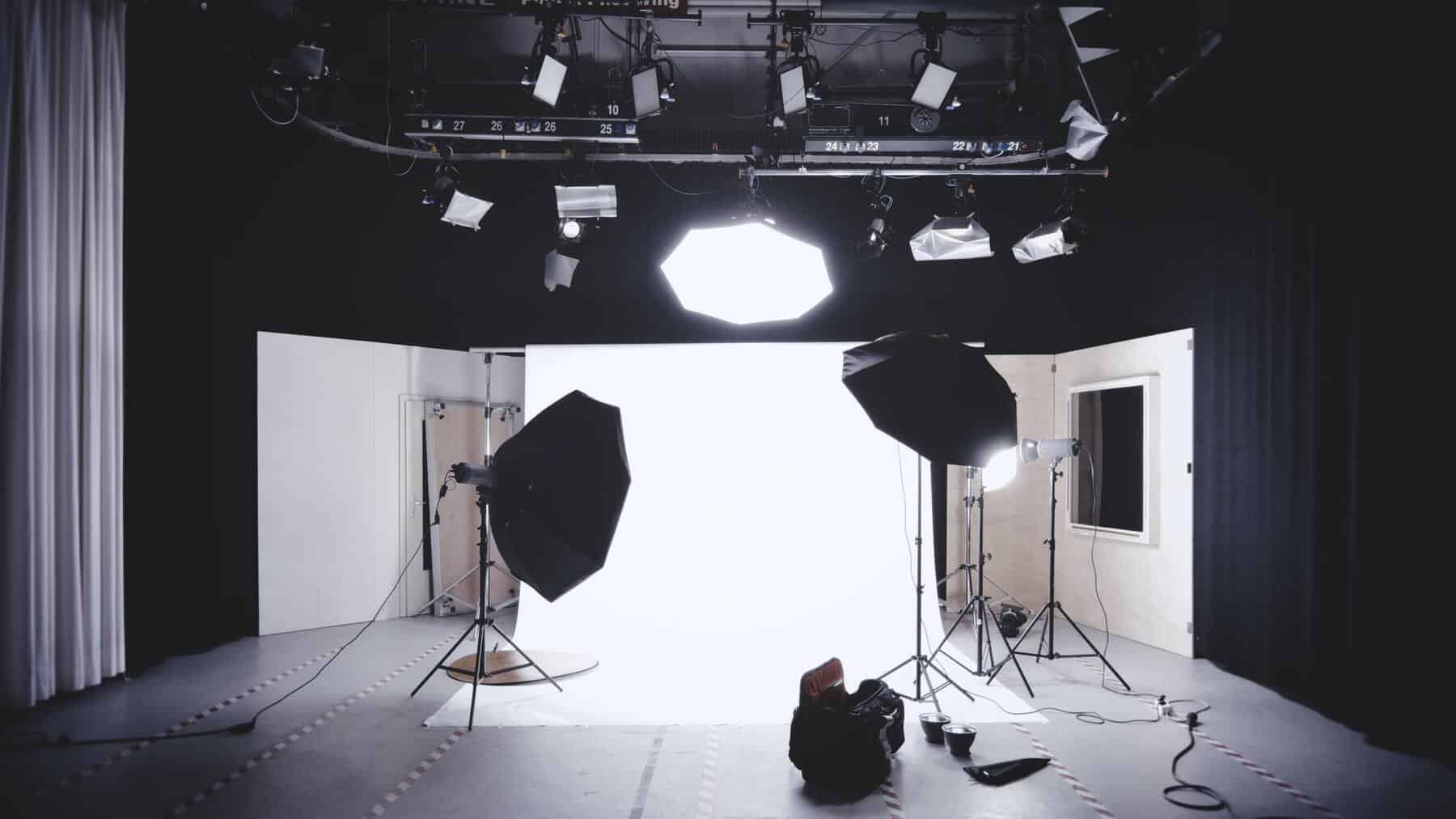
💡6 Studio Lighting Tips Backed by Real Creators: How to Master Light Like a Pro
studio lighting
Discover how real photographers and content creators mastered studio lighting. Learn lighting setups, real experiences, and expert-backed tips to take your visuals from basic to breathtaking.
🎬 Introduction: Why Lighting Can Make or Break Your Work
Whether you’re filming a YouTube video, shooting a portrait, or creating content for your brand, one truth stands strong: lighting determines the quality of your visuals.
Good lighting transforms a dull image into something cinematic — and every successful creator knows it. But mastering it isn’t about having expensive gear; it’s about learning how to control light, shadow, and emotion.
To make this guide real and practical, we’ll share insights from actual photographers, videographers, and studio creators who’ve learned to master light through trial, error, and passion.
💡 1. “Lighting Is 80% of the Job” —
Daniel, Portrait Photographer
“When I started photography, I used to think my camera would do all the work. But after my first studio shoot, I realized — lighting is 80% of the job.”
Daniel began his journey using just one softbox and a white reflector in his small home studio. His photos were okay, but flat. Once he learned three-point lighting, everything changed:
The Setup That Changed His Work:
- Key Light: 45° from the subject’s face.
- Fill Light: Opposite side, slightly dimmer.
- Back Light: Aimed at the subject’s hair or shoulders for separation.
He explains, “Once you control shadows, you control the story.”
✅ Takeaway: Learn basic light direction before buying expensive gear. You can create professional results with budget-friendly LED panels and diffusers.
⚡ 2. “Soft Light Is My Secret Weapon” —
Amira, YouTube Creator
“Harsh lighting made me look tired on camera — I almost gave up filming.”
Amira, a beauty and lifestyle creator, struggled with uneven skin tones and shiny lighting until she discovered soft lighting.
She now uses:
- One ring light as her key light.
- A diffuser cloth to soften shadows.
- A white wall as a natural reflector.
This simple adjustment transformed her videos — and her confidence.
Her advice: “If your lighting flatters you, your energy changes.”
✅ Takeaway: Always diffuse light for a smooth, natural effect — it’s the key to looking polished and professional on camera.
🔦 3. “Natural + Artificial Light = Magic” —
Eric, Product Photographer
Eric blends daylight with studio LEDs for product shoots.
“Morning light from my window mixed with a warm LED panel gives my photos a realistic glow — it’s balanced and human.”
His clients love the result because it looks real, not over-processed.
✅ Takeaway: Combine natural light with artificial sources to create depth and warmth — especially for food, fashion, and product shots.
🎥 4. “Lighting Isn’t About Gear — It’s About Observation” —
Leah, Filmmaker
“I used to buy every new light I saw on YouTube. But the biggest shift happened when I started watching how light hits people’s faces in movies.”
Leah learned that mastering light is about observation and intention, not money. She studies sunlight through windows, lamp angles, and shadows on faces — then recreates them in her shoots.
✅ Takeaway: Train your eye. Watch how light behaves in your everyday life — that’s how you develop intuition as a creator.
🧠 5. The Science Behind Great Studio Lighting
Even professional creators agree: great lighting isn’t guesswork — it’s physics and perception.
- Soft Light = Flattering, Emotional, Calm
- Hard Light = Dramatic, Bold, Intense
- Warm Tone (3200K) = Cozy and nostalgic
- Cool Tone (5600K) = Fresh and professional
When you understand how color temperature and direction affect emotion, you start creating images that feel right, not just look right.
💡 6. Studio Lighting Mistakes Real Creators Made (So You Don’t Have To)
From our interviews and experiences, here are the most common mistakes beginners make:
- ❌ Mixing different color temperatures (warm + cool light = strange hues)
- ❌ Relying on overhead light — creates harsh shadows
- ❌ Forgetting background lighting — subject blends in
- ❌ Not diffusing light — too sharp or uneven
✅ Fix: Keep all lights in the same temperature range (around 5500K for daylight), and use a softbox or white cloth to diffuse brightness.
🌟 Conclusion: Learn the Light, and You Control the Mood
Becoming a lighting master isn’t about buying expensive equipment — it’s about understanding how light tells a story.
From Daniel’s precise setups to Amira’s soft glow and Leah’s observational tricks, each real creator proved that intentional lighting transforms everything — your confidence, your content, and your brand.
✨ So, next time you turn on your lights, don’t just illuminate — create.
💬 Call to Action
Have you ever struggled with lighting in your photos or videos?
Share your experience in the comments — your story might inspire another creator’s breakthrough.
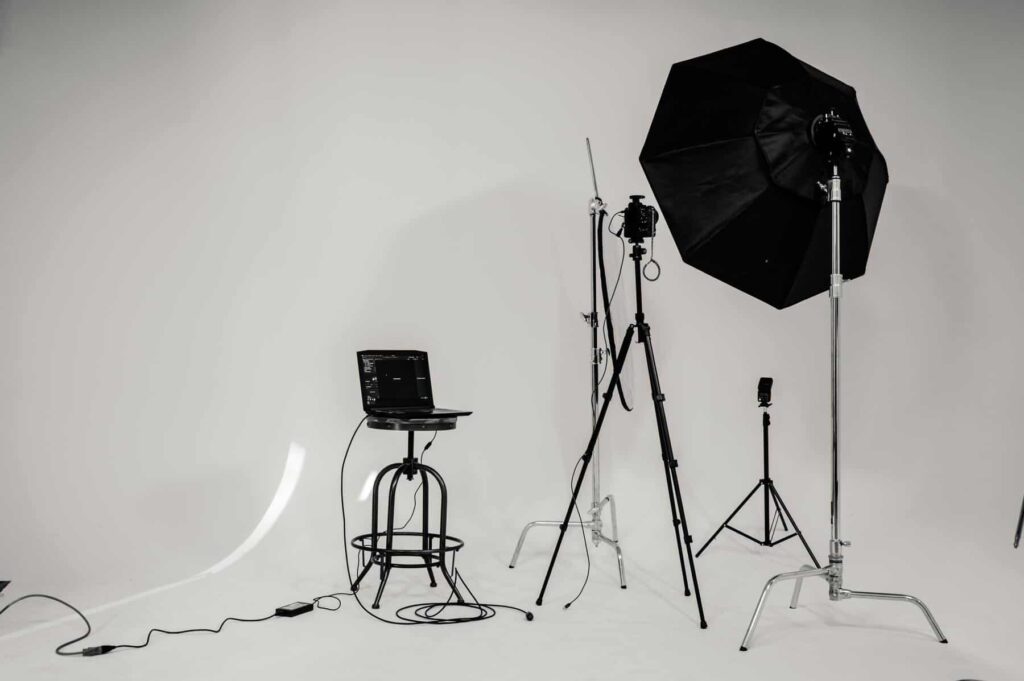
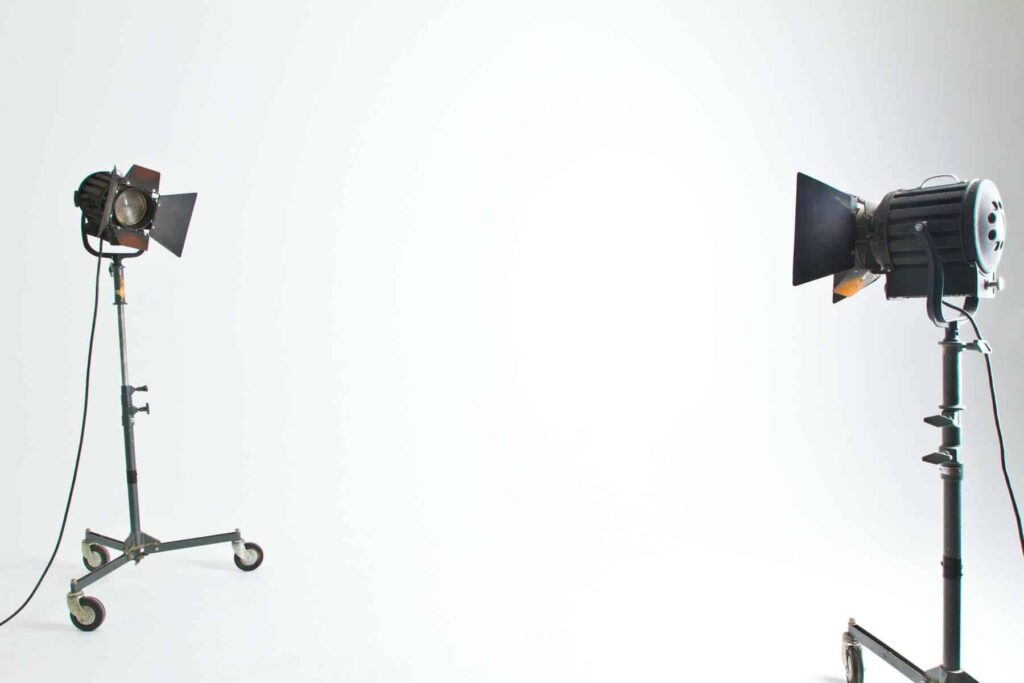
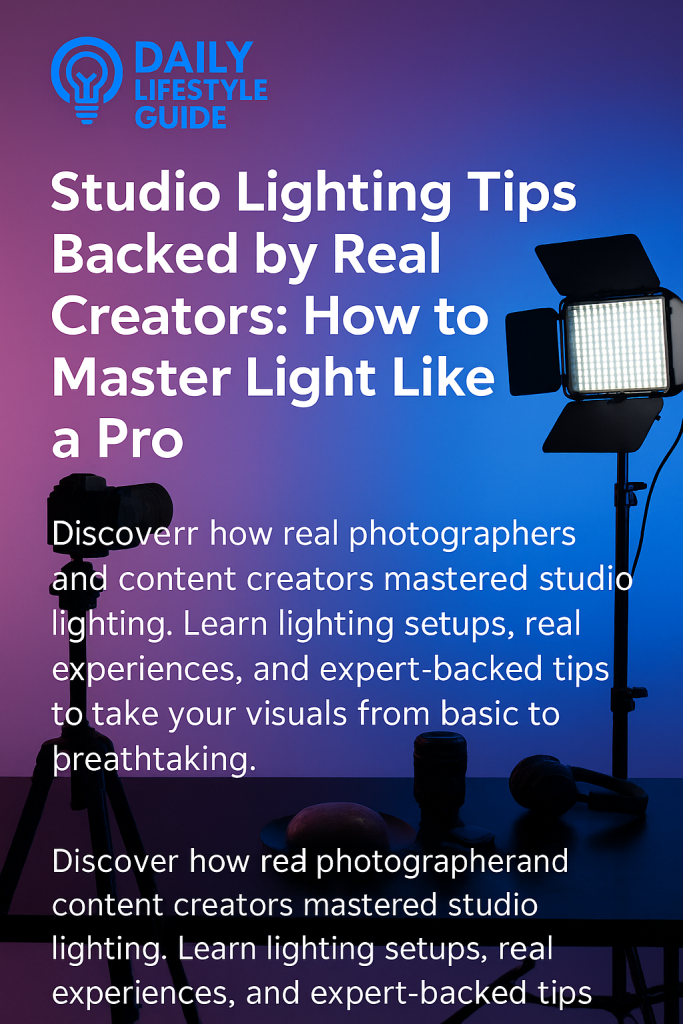
Mastering studio lighting isn’t just about owning expensive gear — it’s about understanding how light shapes your story. Whether you’re shooting portraits, product photos, or creative campaigns, the right balance of natural and artificial lighting can elevate your images from average to extraordinary. In this updated guide, we’ll explore real-world tips from experienced creators who’ve perfected the art of light control. From softbox placement and reflector tricks to color temperature and mood creation, these insights will help you capture professional-quality results — even from a home setup.
For more informative inspirations for new moms, check out our own post on 7 Life-Changing New Mom Tips Worth Knowing .